
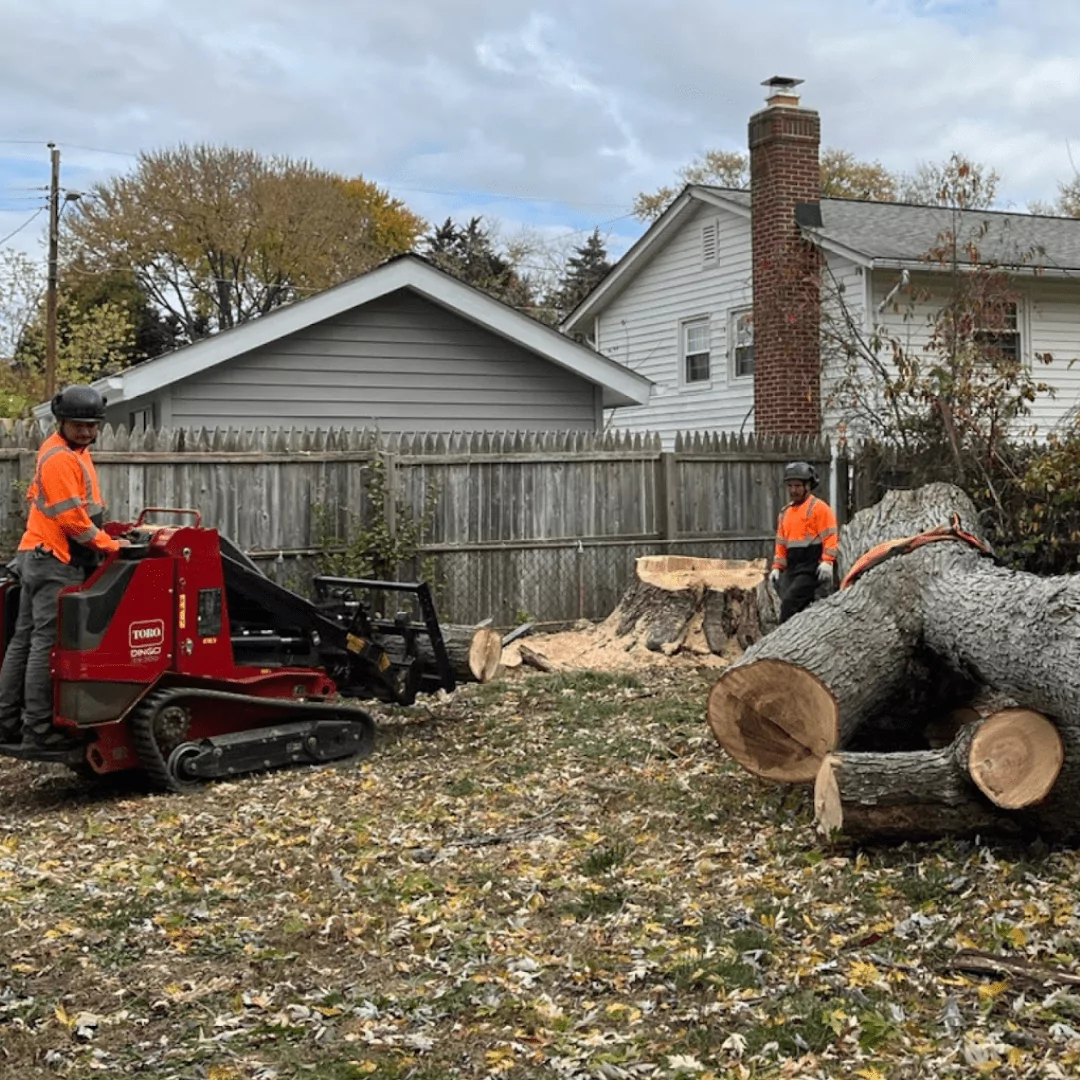
Trees add beauty, shade, and value to a property. But there are times when keeping one becomes a risk instead of an asset. Knowing when to remove a tree is essential for protecting your home, your safety, and your landscape.
At Green Tree Services, we assess trees across Warrenton and Fauquier County every week. Here are the situations where removal isn't just an option — it's the smart call.
When to Remove a Tree: 6 Signs to Watch For
The Tree Poses a Safety Hazard
Leaning dangerously, visible root damage, or structural instability are urgent signs. Cracks in the trunk, hanging limbs, or a tree shifting in the ground all mean removal may be needed before a storm or high winds cause real damage — patterns documented in detail by the USDA Forest Service's guide to hazard tree recognition.
The Tree Is Dead or Severely Diseased
A dead tree no longer contributes to your property and can attract pests or disease. Over time it becomes weak and more likely to fall. Peeling bark, no leaves, dry branches, or fungal growth are all signs it's time to talk to a professional.
It's Too Close to Your Home or Structures
Roots can damage foundations or pipes, while branches can scrape roofs or windows. Removing a tree in this position can prevent expensive repairs down the road — often cheaper than the damage it would eventually cause.
Infestation or Spread of Disease
Pests like emerald ash borers or carpenter ants can cause irreversible damage, and once a tree is infested, the problem can spread to nearby healthy trees. Removing the infected tree often protects the rest of your landscape.
It's Blocking a Planned Improvement
Planning a renovation, new driveway, patio, or pool? Sometimes a tree is simply in the way. Pruning or working around it is worth considering, but depending on location and size, removal is often the more practical option.
Local Regulations or Permit Requirements
Some trees need to come down if they're too close to public utilities or pose a risk to others, and permits may apply depending on your town's tree ordinances. We handle that process for you as part of the job.
What Our Clients Say
Green Tree Service exceeded expectations with our first tree removal and trimming project. Blanco has a wealth of knowledge and experience that really shines through the work he performs. We highly recommend Blanco and his team.
Highly recommended. I got quotes from 5 different services, and these guys were the most straightforward, right out of the gate, no hassles. I had a massive 80+ foot tulip poplar only 8 feet from my house that had to come down — they dropped it inch-perfect, missing every structure on either side.
Showed up on time, took down the tree exactly as described, cleaned up quickly and hauled it away. The whole process was smooth and professional. I wouldn't hesitate to use them again.