How Trees Can Affect Your Lawn Care
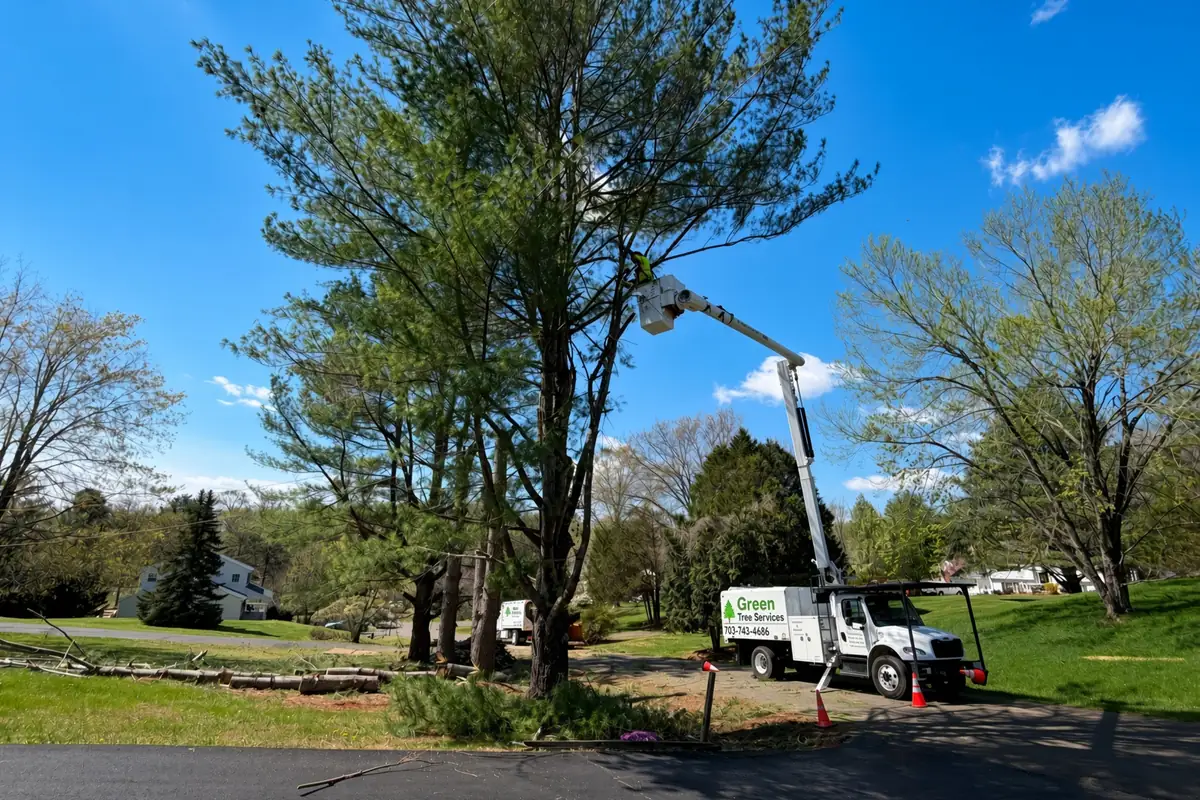
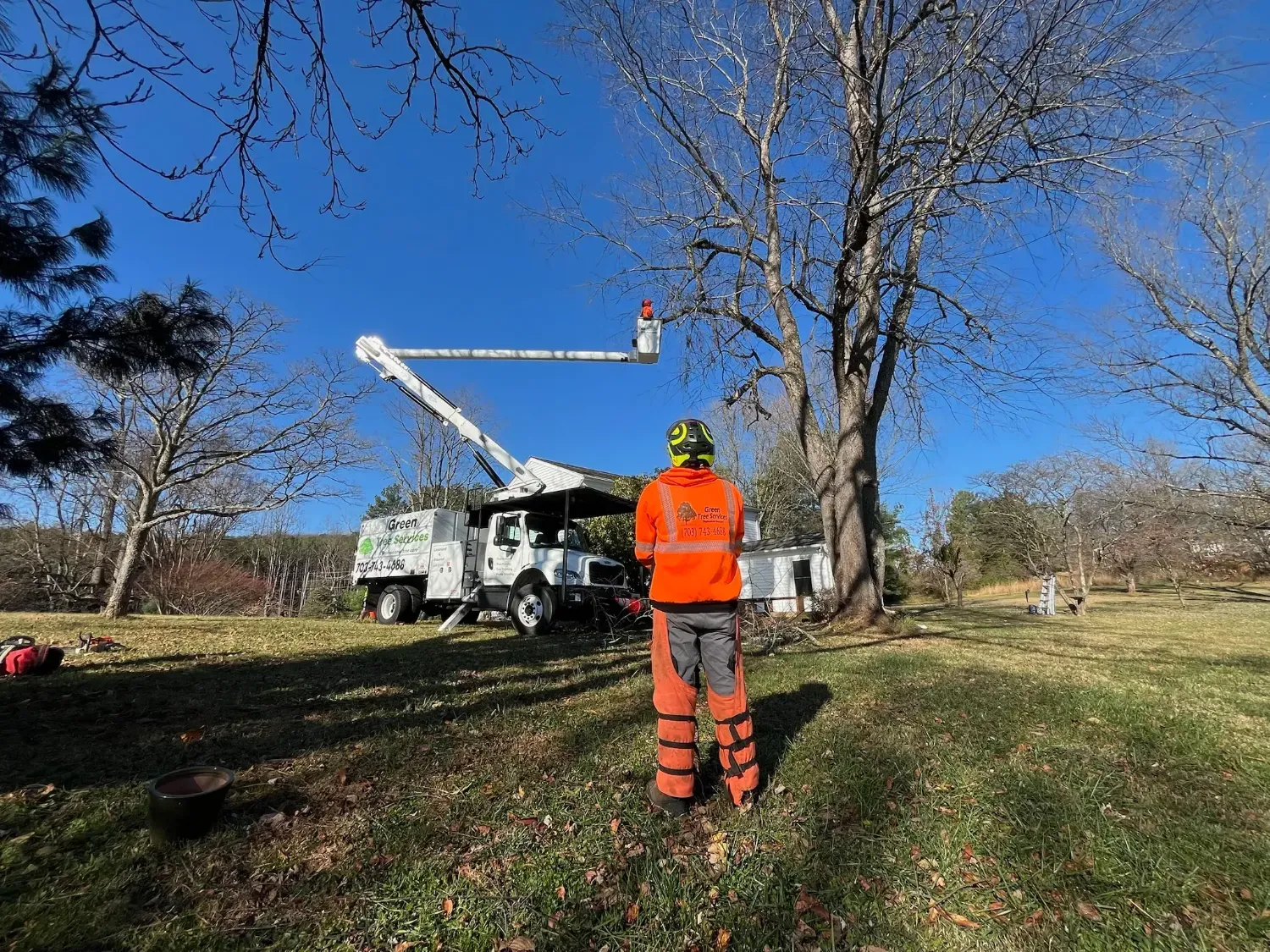
I've been doing tree work for a long time, and customers often tell me their lawn looks bad even though they mow and water it regularly. My name is Inmer Blanco — I'm the owner of Green Tree Services in Warrenton, VA, and an ISA-certified arborist.
Need it done instead of reading about it? We offer tree trimming and pruning in Warrenton, VA, with a free written estimate before any work begins.
In my experience, and what I see on jobs every week, trees are often part of the reason some lawns are struggling. Trees and grass aren't just sharing the same space and soil — they're competing for sunlight, water, and nutrients too.
Shade Is Usually the Biggest Issue
As trees grow, their canopies widen and block more sunlight. Most grass needs several hours of direct sunlight each day, and when it's not getting that, it starts thinning out or stops growing altogether.
Tree roots make it worse. They often spread far and stay close to the surface, pulling water and nutrients before the grass can use them — which is why some areas never improve no matter how much you mow or water.
The soil under mature trees also tends to become compacted over time. When the ground stays hard, grass roots can't grow well. And fallen leaves left sitting too long add one more layer of stress, blocking light and trapping moisture on the lawn.
This Doesn't Mean the Tree Is the Problem
It just means it needs to be managed the right way. In practice, that usually looks like:
- Selective pruning to let more light through the canopy
- Thinning instead of removing the tree entirely
- Improving drainage or loosening compacted soil around the root zone
- Choosing shade-tolerant grass for the areas that stay heavily shaded
To a certain extent, it also comes down to what you value more — a mature, shady tree, or a uniformly thick lawn. Some homeowners land on adjusting expectations instead: focusing lawn effort on the areas where conditions are actually favorable, and accepting the shaded zones will look different.
Further Reading
If you want to go deeper on how trees and turf interact, these are solid resources: